Old Tamil Poetry

Translations of Tamil Poetic works that span 2000 years

Archive for the category “Epics”

Manimekalai – Sirai Vidu Kaathai 73-80

Do you cry for his body or for his soul?
If you cry for his body, who was it (but you)
that consigned your son’s body to cemetery?
If you cry for his soul, where it is headed  
is hard to know as that’s decided by destiny.
If that soul is dear to you, my lady,
you should grieve for all souls.

உடற்குஅழு தனையோ உயிர்க்குஅழு தனையோ     
உடற்குஅழு தனையேல் உன்மகன் தன்னை     
எடுத்துப் புறங்காட்டு இட்டனர் யாரே
உயிர்க்குஅழு தனையேல் உயிர்புகும் புக்கில்     
செயப்பாட்டு வினையால் தெரிந்துஉணர்வு அரியது     
அவ்வுயிர்க்கு அன்பினை ஆயின் ஆய்தொடி     
எவ்வுயிர்க்கு ஆயினும் இரங்கல் வேண்டும்

Manimekalai is one of the five great epics of Tamil literature. It is a Buddhist epic. The protagonist Manimekalai is the daughter of Madhavi, one of the central characters of the epic Silappathikaaram. Hence Silappathikaaram and Manimekalai are considered as twin epics. Manimekalai is dated between 300-600 CE.

The Chola King Udhayakumaran falls madly in love with Manimekalai. But she wants to be a Buddhist nun. To escape his clutches she transforms herself into another woman , Kaayasandikai. When the King realises that it is Manimekalai in another form, the pursues her again. The real Kaayasandikai’s husband Kanchanan  mistakes this and kills the King. The King’s mother wants to take revenge on Manimekalai for her son’s death. She tries to torture Manimekalai, but all her efforts fail. She realises that she has failed and falls at Manimekalai’s feet.

This poem is Manimekalai assuaging the pain of King’s mother. She says, “Do you cry for your son’s body or soul. If you cry for his body, it was you who consigned his dead body to the graveyard, not me. If you cry for his soul, it is hard to know what form his soul will take in next birth as it is decided only by his deeds in previous birth (karma/fate). So my dear lady, if you love your son’s soul, you should grieve and empathise with all souls in this universe”

The last two lines make this poem universal.
அவ்வுயிர்க்கு அன்பினை ஆயின் …எவ்வுயிர்க்கு ஆயினும் இரங்கல் வேண்டும் – If that soul is dear to you, you should grieve for all souls.

This poem also explains the Buddhist philosophy of rebirth. You can read the wiki here
Kambaramayanam – 14

பம்பி மேகம் பரந்தது, ‘பானுவால்
நம்பன் மாதுலன் வெம்மையை நண்ணினான்;
அம்பின் ஆற்றதும்’ என்று அகன்குன்றின்மேல்
இம்பர் வாரி எழுந்தது போன்றதே.

Clouds crowding to spread over the peak
was like seas rising atop the mountain
saying, “our father-in-law suffers from heat
because of the sun; let’s cool him down”.

In the epics the river was considered as wife and the ocean as husband. Since the river is born in the mountains, the mountains became father in law for the ocean. The poet imagines that the clouds spreading over the mountain are but sea water that has come in aid of its father in law.

Silappathikaaram – Kanal Vari – 17

Your elders live by entering the ocean and killing life;
you too live by entering a human body and killing my life;
heavy are your breasts, pushing against their confines;
let them rest against me, lest you lose your slender waist.

கடல் புக்கு, உயிர் கொன்று, வாழ்வர் நின் ஐயர்;
உடல் புக்கு, உயிர் கொன்று, வாழ்வைமன் நீயும்;
மிடல் புக்கு அடங்காத வெம் முலையோ பாரம்;
இடர் புக்கு இடுகும் இடை இழவல் கண்டாய்!

This poem is from SilapPathikaram, the earliest and greatest epic in Tamil literature. The epic is dated to 2nd Century CE.  It describes the Tamil society of that era in detail.

This poem is sung by the protagonist, Kovalan when he visits the beach with the courtesan Madhavi. He sings of an imaginary fisherwoman. Madhavi is piqued and in return she sings about River Kaveri as a woman pining for her lord. This creates a rift between Kovalan and Madhavi and leads to their separation.

“You are from the fishing community. Your father and your brothers enter the ocean to kill fish and live by that. Similarly you have entered a human form and kill my life and live by that. Your breasts are heavy and struggle to be contained in their confines. So don’t lose your slender waist unable to carry the burden of your breasts. Rest them against me”

Rest them against me is implied and not explicit in the original. I have included it in the translation for better comprehension.

Kambaramayanam – 75

Women’s sharp eyes mock comparisons;
their gait mocks female elephants;
pair of breasts mock lotus buds;
their face mocks the flawless moon.

விதியினை நகுவன அயில் விழி; பிடியின்
கதியினை நகுவன அவர்நடை; கமலப்
பொதியினை நகுவன புணர் முலை; கலை வாழ்
மதியினை நகுவன வனிதையர் வதனம்.

Introducing the country and praising it (நாட்டுப் படலம்) before starting an epic is the regular structure in Indian epics. Here Kamban is describing the bounty of Kosala country before telling us the story of Rama.

The women of Kosala are so well formed that their body parts mock the objects they are compared with. Their sharp eyes mock all objects they are compared to. Their graceful walk mocks the walk of the female elephant, their breasts mock the lotus buds and their face mocks the moon that is perfect in all aspects.

Comparing a woman’s walk to the gait of a female elephant is fairly common in classical Indian literature, though it might sound odd for people from other countries.

Kambaramayanam – 1070

As they cause red lips to pale, mouth to drool,
knots on bodice and skirt to unravel,
swaying hair to unbraid, and a smirk to arise –
copulating husband and intoxicating toddy are alike.

இலவு இதழ் துவர் விட. எயிறு தேன் உக.
முலை மிசை. கச்சொடு கலையும் மூட்டு அற.
அலை குழல் சோர்தர. அசதி ஆடலால்.
கலவி செய் கொழுநரும் கள்ளும் ஒத்தவே.

This poem is in Revelry chapter (உண்டாட்டுப் படலம்) in Kamba Ramayanam written in 12th century. These set of poems detail the drunken revelry of women who accompanied Dasaratha as he went to Mithila for the wedding of his son Rama.

Kamban equates copulation and drinking as both make lips go pale, mouth drool, clothes to loosen, plaited hair to come undone and a silly smile to appear.

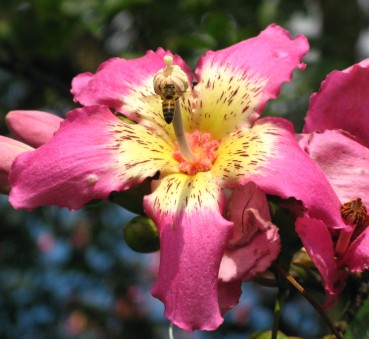
‘இலவு இதழ்’ – Lips like the petals of Java Cotton / Ceiba tree. In Tamil it is இலவம் பஞ்சு மரம்.

Flordepaineiraabelha

Source: Wikipedia images

‘Intoxicating’ is not explicit in the original. I have added it for better readability.

Kambaramayanam – 1047

Like an abundance of white colored toddy,
like spreading of a tangible melody,
like spilling over of heart’s hidden carnality,
did cool moonlight suffuse the world in entirety.

வெண்ணிற நற நிறை வெள்ளம் என்னவும்,
பண் நிறம் செறிந்து இடை பரந்தது என்னவும்,
உள் நிறை காமம் மிக்கு ஒழுகிற்று என்னவும்,
தண் நிறை நெடு நிலா தழைத்தது எங்குமே.

This is the first verse in Revelry chapter (உண்டாட்டுப் படலம்) in the first part of Kamba Ramayanam. King Dasaratha and his entourage is on their way to Mithila for Rama’s wedding with Sita. This chapter details the merry making of the entourage during their night stay.

In this verse Kamban uses toddy, melody and lust as similes for moonlight. It is a hint of the merrymaking to follow in the next verses. Moon light is like an abundance of toddy, like melody that has taken physical shape and spread across the world, and over-spilling lust hidden in the hearts of all human beings.

Kambaramayanam – 1595

Who can describe the King’s torment
as he collapsed to the ground wallowing in agony?
Singed by intense grief, he breathed feverishly,
like a flame under a blacksmith’s blowpipe.

பூதலம் உற்று அதனில் புரண்ட மன்னன்
மா துயரத்தினை யாவர் சொல்ல வல்லார்?
வேதனை முற்றிட வெந்து வெந்து கொல்லன்
ஊது உலையில் கனல் என்ன வெய்து உயிர்த்தான்.

Kaikeyi has asked King Dasaratha to redeem the two boons he had promised her earlier. Unsuspectingly he agrees. She asks 1) the heir apparent Rama to be exiled to forest and 2) her son Bharatha to be made King. Dasaratha whose life was looking so good till that moment, is felled by her demands.

In this poem Kamban describes how Dasaratha wallowed in agony. Hearing Kaikeyi’s demands he collapsed to the ground and lay thrashing about. His heart could not withstand the grief. The simile Kamban uses is vivid. Dasaratha breathes feverishly. It is like air out of blacksmith’s blowpipe. The flame in his heart doesn’t burn continuously and finish him. As a wave of pain peaks and subsides, he expects this to be a nightmare he can wake out of. Then he realizes it is not so and the next wave starts. Just like the flame in a blacksmith’s foundry burning furiously when the blacksmith blows the blowpipe and cooling down when he stops. “கொல்லன் ஊது உலையில் கனல் என ” – like a flame under a blacksmith’s blowpipe.

Kundalakesi – 6

The fire of lust that grabs one’s thought
and sizzles like a flame in his heart –
trying to douse it by physical union
instead of cold waters of renunciation
is like trying to dam the waters of a flood
with another flood, who can do that?

அனல்என நினைப்பில் பொத்தி
அகம் தலைக் கொண்ட காமக்
கனலினை உவர்ப்பு நீரால்
கடையற அவித்தும் என்னார்
நினைவிலாப் புணர்ச்சி தன்னால்
நீக்குதும் என்று நிற்பார்
புனலினைப் புனலினாலே
யாவர் போகாமை வைப்பார்.

Kundalakesi is a Tamil Buddhist epic, written before 5th Century AD. Only a part of it is available today.

Lust is a fire that gets hold of one’s thought and burns intensely in his heart, consuming him fully. The only way to put it out is by complete renunciation. Instead of that if one thinks that a physical union with their object of desire will cool the ardour of lust he is a fool. That is like trying to dam a flood with another flood. It will only increase.

Kambaramayanam – 1082

Like seeds of love sown in
a tough furrow
lifting their heads up
after a downpour,
hair follicles on his skin
stood up
as she pouted and kicked him
with soft feet.

விதைத்த மென் காதலின்
வித்து வெஞ் சிறை
இதைப் புனல் நனைத்திட
முளைத்தவே எனப்
பதைத்தனள் ஒருத்தன்மேல்
ஒருத்தி பஞ்சு அடி
உதைத்தலும் பொடித்தன
உரோம ராசியே.

This is from Kambaramayanam. It details the revelry of men and women who accompany Dasaratha to Mithila for Rama’s wedding. These poems celebrate wine and women. He comes to her bed. She pouts in mock anger and kicks him. The feel of her soft foot gives him goosebumps. It was like the seeds on a hard ground sprouting up immediately after rains. Here you can elaborate goosebumps to seeds sprouting, hard landscape as his body and the pleasure of her kick (the first touch) as pouring rain. Rest is up to you to imagine.

Kundalakesi – 2

Sick men don’t bother about medicine’s taste;
warmth seekers don’t bother about fire’s smoke.
Wise men won’t consider lapses in my words as lapses,
when I praise the one who overcame all three poisons.

நோய்க்குற்ற மாந்தர் மருந்தின்சுவை நோக்க கில்லார்
தீக்குற்ற காத லுடையார்புகைத் தீமை யோரார்
போய்க்குற்றமூன்று மறுத்தான்புகழ் கூறு வேற்கென்
வாய்க்குற்றசொல்லின் வழுவும்வழு வல்ல வன்றே.

Kundalakesi is one of the five great epics of Tamil literature. Three of these are Jainism based (Seevaka Sinthamani, Silappathikaaram, Valayaapathi) and two are Buddishm based (Manimekalai and Kundalakesi). Kundalakesi is estimated to have been written before 5th Century AD. Only 19 of the 99 verses of Kundalakesi are available today.

It is about Kundalakesi, daughter of a rich merchant in Puhar, who falls in love with a thief Kaalan about to be beheaded. Her father pleads with the King and saves Kaalan from death. After marriage one day she playfully calls him thief. Enraged by this , he plans to kill her and takes her to a mountain peak to push her down. When he tells this to her, she requests him to let her go around him three times as worship before being killed. He agrees. She goes behind him and pushes him down , killing him. Then she repents and becomes a Buddhist monk. She defeats Jain and Hindu scholars in theological debates.

In this poem, the poet says “see the content and forgive any mistakes in my form. Like how sick men don’t bother about the taste of medicine or those who seek warmth don’t bother about smoke from fire, those who want to learn the teachings of Buddha will overlook any mistakes I make”.

“One who overcame all three poisons” refers to Buddha. In Buddhism, three poisons – desire, hatred, ignorance or greed, anger, foolishness (காமம், வெகுளி, மயக்கம்) –  are considered root of all human misery.

Post Navigation