Old Tamil Poetry

Translations of Tamil Poetic works that span 2000 years

Kurunthokai – 107

O’ Rooster with bright red comb
like a bunch of golden kantal* flowers!-
You woke me up from my blissful sleep,
with my man from the town that reaps
new wealth from wide seas;
May you suffer the pain
of being many day’s food to wild kittens
that hunt for house rats at midnight.

*Kantal – Flame lily / Gloriosa lily, the state flower of Tamil Nadu

குவி இணர்த் தோன்றி ஒண் பூ அன்ன
தொகு செந் நெற்றிக் கணம்கொள் சேவல்!-
நள்ளிருள் யாமத்து இல் எலி பார்க்கும்
பிள்ளை வெருகிற்கு அல்குஇரை ஆகி,
கடு நவைப் படீஇயரோ, நீயே-நெடு நீர்
யாணர் ஊரனொடு வதிந்த
ஏம இன் துயில் எடுப்பியோயே!

After a long time he comes back from his trip to earn money, and they both go to bed together. They fall into blissful sleep after a joyous night. With the rooster crowing, the spell of the night is broken. Obviously she curses the rooster. She thinks it couldn’t have dawned so soon. It must be just midnight. The rooster has crowed wrongly. May it be hunted by hungry wild kitten and eaten as food for days.
Kurunthokai – 269

My dad, having recovered from wounds
caused while hunting ferocious sharks,
has gone back to the blue sea.
My mom, in order to barter salt for rice,
has gone to the salt pans.
I think it would be nice
to have a friend, who won’t mind
the long distance and tiring walk,
to go and tell the man from cool long shores,
that if he wants to see me, this is the time to come!

சேயாறு சென்று, துனைபரி அசாவாது,
உசாவுநர்ப் பெறினே நன்றுமன் தில்ல-
வயச் சுறா எறிந்த புண் தணிந்து, எந்தையும்
நீல நிறப் பெருங் கடல் புக்கனன்; யாயும்
உப்பை மாறி வெண்ணெல் தரீஇய
உப்பு விளை கழனிச் சென்றனள்; அதனால்,
பனி இரு பரப்பின் சேர்ப்பற்கு,
”இனி வரின் எளியள்” என்னும் தூதே.

This poem is about one of the permanent problems in love – when and how to meet if you don’t have your own place. Her father, a fisherman, has been at home for many days, recovering from wounds caused while hunting sharks. Her mother too has been at home tending to him. So the girl has not been able to meet her lover. He comes and waits beside her house afraid to come in as her parents are there. Now everyone’s back at work and she has the house to herself – it’s now or never is the message she sends him through her poem.

Naaladiyaar – 2

If your rightfully earned bounty materializes,
share the porridge of plowed grains with multitudes;
wealth never stays steadfast with anyone,
but rolls like wagon wheel on a run.

துகள்தீர் பெருஞ்செல்வம் தோன்றியக்கால் தொட்டுப்
பகடு நடந்தகூழ் பல்லாரோ டுண்க ;
அகடுற யார்மாட்டும் நில்லாது செல்வம்
சகடக்கால் போல வரும்.

This poem in Naaladiyaar talks about the impermanence of wealth. If you earn wealth that is justly due to you, share it with everyone. Because wealth never stays with one person but keeps moving like a wagon wheel. Even if you try to hoard it, you will lose it. So it is better spent sharing with others.

Thirukkural – 1221

மாலையோ அல்லை; மணந்தார் உயிர் உண்ணும்
வேலை நீ;-வாழி, பொழுது!.

Oh sunset! You aren’t the evenings of yore,
but death knell of wedded souls.

She laments the separation from her husband. “When we were together the evenings were pleasant. But now that he is away, these evenings remind me of him and kill me”

வேலை – end  of time. Some commentaries take it as வேல் – spear. Both Parimel Alagar and Devaneya Paavanar take ‘time’ as the primary meaning. If taken as spear, it will read

Oh sunset! You are not the evenings of yore,
but a spear, devouring wedded souls.

I prefer to go with death knell – end of time  – இறுதிக்காலம்.

Thirukkural – 1291

His heart does his bidding, you see –
then why are you, my heart, against me?

அவர்நெஞ்சு அவர்க்காதல் கண்டும் எவன்நெஞ்சே

நீஎமக்கு ஆகா தது.

அவர் நெஞ்சு அவர்க்கு ஆதல் கண்டும், எவன்,-நெஞ்சே!-
நீ எமக்கு ஆகாதது?

He hasn’t come back as promised. She is angry with him. But the love in her heart overpowers the anger. So she chides her heart “When he can be stone hearted to be away from me and his heart acts accordingly, why do you not listen to me, but pine for him?” She is torn between love and anger. So she treats her heart as an entity separate from herself.

Kurunthokai – 315

The man from rising hill country
where white water falls down
like moon’s reflection on the sea,
is like the sun – my friend!-
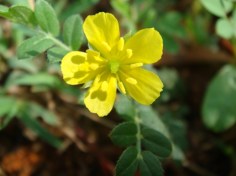
and my supple shoulders are like Nerunji.

எழுதரு மதியம் கடல் கண்டாஅங்கு
ஒழுகு வெள் அருவி ஓங்கு மலைநாடன்
ஞாயிறு அனையன்-தோழி!-
நெருஞ்சி அனைய என் பெரும் பணைத்தோளே.

*Nerunji flowers (puncture vine / goat’s head / caltrop) are small yellow flowers that follow the Sun.
nerunji.JPG

Nerunji flower

He has gone away to earn. It will be months before he comes back. Her friend asks her can she sustain herself for him till he comes back. She replies to her friend, “My lover is like the sun to me. My supple shoulders are like Nerunji flowers that look up to the sun and move along with it. So I can sustain myself based on his words that he will come back.” The poet uses பணைத் தோள் – bamboo like shoulders. I’ve translated it with the characteristic of bamboo as supple shoulders.

His hill country is described as one where white water falling down the hills resembles moon’s reflection on the ocean. It was hard for me to understand the simile. So I searched for images and found they were similar. The imagery of Sangam poetry was drawn from what the poets saw around them.

Kambaramayanam – 4233

Both birth and death, if objectively analyzed,
aren’t they always the results of one’s action?
What else to add? Even the lotus born one
will face his end if he deviates from justice, ’tis said.

‘இறத்தலும் பிறத்தல் தானும்
என்பன இரண்டும், யாண்டும்,
திறத்துளி நோக்கின், செய்த
வினைதரத் தரெிந்த அன்றே?
புறத்து இனி உரைப்பது என்னே?
“பூவின்மேல் புனிதற் கேனும்,
அறத்தினிது இறுதி வாழ் நாட்கு
இறுதி; அஃது உறுதி‘‘ என்ப.

This is Rama’s advice to Sugreeva on his coronation. Rama killed Sugreeva’s brother Vali and helped Sugreeva become king. On his coronation Rama advices him to follow the path of justice. One’s birth and death are direct results of one’s action (Karma) in this world. Even Brahma, the creator of humankind (who was born in a lotus) will face his end if he deviates from the righteous path. When Brahma the creator himself is bound by Karma, the human beings have no choice but to abide by the rules.

Thirukkural – 412

When there’s nothing on offer for ears to feed,
a little shall be offered for stomach’s need.

செவிக்கு உணவு இல்லாத போழ்து, சிறிது,
வயிற்றுக்கும் ஈயப்படும்.

This couplet is under the chapter listening. Listening to your teachers and learning from them should be your first priority. Only when the teaching is over should you even think about food. I borrowed the feed/need rhyme from Dr.G.U.Pope’s translation.

Siddhar – Sivavakkiyar -48

Fresh milk can’t go back to udder, nor churned butter to buttermilk;
sound can’t go back to the conch nor can a departed soul to the body;
bloomed flowers and fallen fruits can’t go back to the tree;
The dead are never never never ever born again.

கறந்தபால் முலைப்புகா கடைந்தவெண்ணை மோர்புகா
உடைந்துபோன சங்கினோசை உயிர்களும் உடற்புகா
விரிந்த பூஉதிர்ந்த காயும் மீண்டும் போய் மரம்புகா
இறந்தவர் பிறப்பதில்லை இல்லையில்லை இல்லையே.

Siddhars were the iconoclasts of Tamil Society. They stayed outside the pale of organized religion and were considered rebels. They made fun of all that was considered sacred by the religious. Siddhar poetry is an important strand of Tamil literature. Their poems were written in simple words and easily understood by common men. At the same time it was claimed that their poems had mysterious meanings too. There are not commentaries for their poems. Some of their poems are misogynistic and some are very controversial. This poem was written by Siva Vakkiyar in 10th Century.

He directly attacks the concept of rebirth. Things that have left their birthplace cannot go back. Like milk from the udder of a cow, churned butter from butter milk, sound of a conch, a soul departed from the body, flowers that have bloomed and raw fruits that have fallen. Similarly a dead person is not going to be born again.

Thirukkural – 331

Idiocy of believing ephemeral things as enduring
is the worst of them all.

நில்லா தவற்றை நிலையின வென்றுணரும்
புல்லறி வாண்மை கடை.

This couplet is under the chapter Impermanence. Everything in this world is ephemeral. They will vanish. The idiocy of believing them as enduring is the worst idiocy of them all.

Post Navigation