Old Tamil Poetry

Translations of Tamil Poetic works that span 2000 years

Archive for the tag “Kurunthokai”

Kurunthokai – 136 & 204

He says to his friend:
Love, love, people say;
love’s neither a misery nor a malady;
it doesn’t gradually increase or subside;
like musth appearing on a foliage chewing elephant,
it surfaces suddenly at the sight of my beloved.

His friend says to him:
My lord with broad shoulders!
Love, love, people say;
love’s neither a misery nor a malady;
like the delight of an old cow
licking fresh grass in ancient hilly meadows,
love’s nothing but a feast of one’s fancy.

தலைமகன் பாங்கற்கு உரைத்தது
காமங் காம மென்ப காமம்
அணங்கும் பிணியு மன்றே நுணங்கிக்
கடுத்தலுந் தணிதலு மின்றே யானை
குளகுமென் றாண்மதம் போலப்
பாணியு முடைத்தது காணுநர்ப் பெறினே.

தலைமகற்குப் பாங்கன் உரைத்தது
காமங் காம மென்ப காமம்
அணங்கும் பிணியு மன்றே நினைப்பின்
முதைச்சுவற் கலித்த முற்றா விளம்புல்
மூதா தைவந் தாங்கு
விருந்தே காமம் பெருந்தோ ளோயே.

Kurunthokai is an anthology (தொகை) of short(குறு) love poems, dated between 2nd century BCE and 2nd century CE. These poems are rich in metaphors. These are written by various poets. Above poems are poem no. 136 and 204 written by the same poet Milai Perung-Kandhan. Though they appear apart in the anthology they are like a dialogue between the hero and his friend. The first two lines of the poems are same.

Poem 136 – His friend chides him for losing his reserve over his love for a woman. He responds with “People talk a lot about love. It is not a pain I suffer due to others nor a new disease that has afflicted me. It doesn’t gradually increase or decrease. There is no way for me to control it. It strikes suddenly. An elephant chewing foliage is suddenly driven to musth when it eats a particular type of herb. Similarly, when I see her, I lose my self control and my love for her surfaces.”

Poem 204 – His friend responds to him “People talk a lot about love (You say I am mocking your love). It is neither a pain nor a disease. It is something that surfaces only when we think of it. Like an old cow licking fresh grass. Since it is old, it cannot chew the grass, but remembers the taste from when it was young. So what delights the cow is not the grass itself, but the thought of it. Similarly, this love you talk about is in your thoughts only. If you don’t think of it, it won’t affect you.”  ‘Broad shouldered lord’ and ‘old cow’ imply “You were strong before you saw her. Now you are like an old cow, living in your fancy world with her.”
Kurunthokai – 399

My love sickness is like moss that gathers
around the town’s water well –
as long as he is caressing me, it keeps away;
as soon as he leaves me , it spreads back.

ஊர் உண் கேணி உண்துறைத் தொக்க
பாசி அற்றே பசலை-காதலர்
தொடுவுழித் தொடுவுழி நீங்கி,
விடுவுழி விடுவுழிப் பரத்தலானே.

This is one of the popular poems in Kurunthokai. She pines for him and is wasting away. She tells her friend that the only cure for this sickness is to be with him forever. She likens her sickness to the moss that spreads near the drinking water well. When one touches the surface, the moss moves away. As soon as the hand is removed, the moss comes back. தொடுவுழித் தொடுவுழி – தொட்டுக் கொண்டிருக்கும் தோறும் – as long as he touches. விடுவுழி விடுவுழி – விட்டுப் பிரியும் தோறும் – every time he leaves. Their relationship is secret. So they keep meeting and parting often. As long as he is with her she is fine. The moment he leaves her she falls sick.

Most translators take கேணி  as water tank or pond. However U Ve Saa in his commentary clearly says it is கிணறு – well. In my ancestral village,  we still use the word கேணி  for well. So decided to go with that.

Kurunthokai – 112

If I fear slander, my passion will weaken;
if I give it up to avoid censure,
what’s left is just modesty;
You see, my friend!
Like a fibrous branch an elephant broke,
hanging precariously but not falling down,
is my virtue that he partook.

கௌவை அஞ்சின், காமம் எய்க்கும்;
எள் அற விடினே, உள்ளது நாணே;
பெருங் களிறு வாங்க முரிந்து நிலம் படாஅ
நாருடை ஒசியல் அற்றே-
கண்டிசின், தோழி!-அவர் உண்ட என் நலனே.

They have consummated their love and he has left. She is pining for him. Her neighbours have started gossiping about her.

She says “If I fear the gossip of these people, I have to hide my passion and it will weaken. If give up my passion completely to stop their reprimands, then all I will have left is only modesty. He has already taken my virtue. He has consummated our love and I can’t forget him now.

An elephant bends branches to eat leaves. The broken branch cannot regain its shape. It hasn’t fallen down but hangs precariously by slender fibres. Because it is still attached to the tree, there’s a hope that it can grow leaves again. Similarly he has consumed me and left me. So I am suffering. But if he comes back, I will bloom again. This passion is what keeps me alive.”

Precariously is not explicit in the original poem. I have added it for better readability in English. (பெண்மை)நலன்(ம்) – virtue / beauty is a poor substitute.

Here is a video link of a wild life camera capture of an elephant breaking a branch and eating leaves. http://www.africam.com/wildlife/tm_11_oct_2014_06_10_46flv


Kurunthokai – 8

What the courtesan said:

The man from the town where fish in canals
grab sweet ripened mangoes that fall off trees,
talks much when he’s in my house,
but in his house,
like an image in a mirror repeating
the actions of one in front of it,
acts as per the wish of his son’s mother.

பரத்தை கூற்று:

கழனி மாஅத்து விளைந்து உகு தீம் பழம்
பழன வாளை கதூஉம் ஊரன்
எம் இல் பெருமொழி கூறி, தம் இல்,
கையும் காலும் தூக்கத் தூக்கும்
ஆடிப் பாவை போல,
மேவன செய்யும், தன் புதல்வன் தாய்க்கே.

Courtesans (பரத்தை) appear often in Sangam poetry. Most of the agrarian landscape (மருதம் திணை) poems are about the interactions between him, her and the courtesan.

In this poem the courtesan mocks him for making tall promises when with her, but losing his voice in front of his wife. He becomes a mirror image of his wife and does what she wants him to do. The first part of the poem about his town seems superfluous at first. What’s the need to bring in mango trees and fish? What she implies is “In his town they are lazy and don’t pluck the fruit, letting it fall into canals. Similarly he is lazy and waits for things to happen on their own”. Also saying son’s mother is a derisive way of calling the wife an old hag.

Kurunthokai – 119

Like an alluringly striped snakelet
of a small white snake
that torments a wild elephant –
this lass, with rice grain like bright teeth
and bangle laden arms – torments me.

சிறு வெள் அரவின் அவ் வரிக் குருளை
கான யானை அணங்கியா அங்கு-
இளையள், முளை வாள் எயிற்றள்,
வளையுடைக் கையள்-எம் அணங்கியோளே.

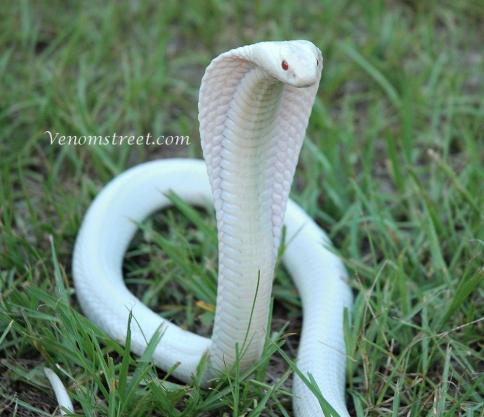
She leaves him after a night of passion. He says though she looks delicate, her love causes him much pain. It is like a snakelet (young snake) troubling a mighty wild elephant. Like how the poison of the small snake troubles the mighty elephant, lust for her troubles him who was previously untamed. He sees her first (young girl), she comes near him and smiles (sparkling teeth), and then she embraces him (bangled arms).

venom

Monocled cobra. Pic : venomstreet.com

Stripes on a snakelet are enticingly beautiful. Snake hood has been used as metaphor for mound of Venus in many Tamil poems. Now if you read the poem again, it becomes more explicit.

அ வரி – beautiful stripe. சிறு வெள் அரவு – small white snake (U Ve Saminatha Iyer in his commentary says it is கோதுமை நாகம் – monocled cobra). அணங்கு – affliction, sufferinng, lust.

Kurunthokai – 20

அருளும் அன்பும் நீக்கி, துணை துறந்து,
பொருள்வயிற் பிரிவோர் உரவோர் ஆயின்,
உரவோர் உரவோர் ஆக!
மடவம் ஆக, மடந்தை, நாமே!

If those who leave their spouse,
forsaking love and affection
in search of wealth, are wise,
let him be wise!
We’ll be idiots, my friend!

Her husband has left her in search of wealth. She cribs to her friend “how can he leave me and go? May be he is strong enough to withstand the pain of love. If this is the wise thing to do, let him be wise. I, a simple minded girl cannot bear to be away from him. If this sounds idiotic, let me be an idiot”

Kurunthokai – 18

Her friend says:

O’ Lord from the hills, where bamboo stalks
fence trees that have jackfruits growing in roots,
find an auspicious time to marry her soon;
who else knows her plight?
Like a small twig in which a huge fruit hangs,
her life is tenuous, but her love, immense!

தோழி கூற்று:

வேரல் வேலி வேர்கோட் பலவின்
சார னாட செவ்வியை யாகுமதி
யாரஃ தறிந்திசி னோரே சாரற்
சிறுகோட்டுப் பெரும்பழந் தூங்கி யாங்கிவள்
உயிர்தவச் சிறிது காமமோ பெரிதே!

This is another of Kapilar’s marvellous poems. After their usual tryst at night, he starts to go to his town. Her friend stops him and advices him that this nightly visits cannot continue forever. He has to marry her soon. Let’s first look at the last four lines of the poem. “Please find an auspicious time and marry her soon. Other than you, no one knows her plight. The passion she has for you is immense. Her life cannot carry such a burden for long.” The simile she uses is a huge ripening jack fruit hanging on a small twig. The twig cannot bear the fruit’s weight and the fruit may fall anytime and burst open, of use to no one. Similarly her passion is weighing on her life and she can’t bear it for ever. So marry her soon.

jackfruit.jpg

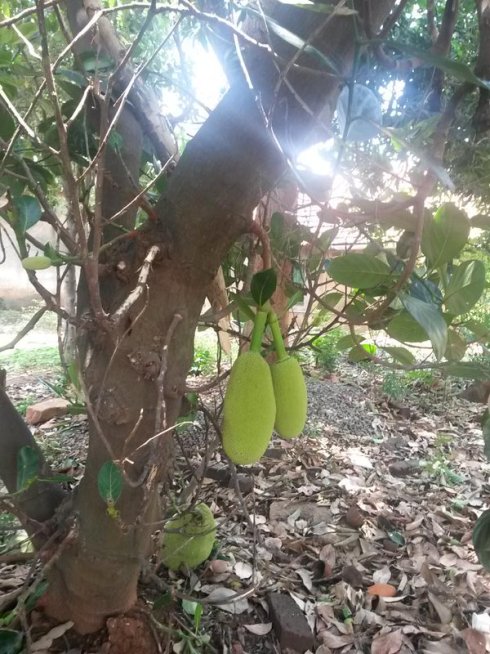
Jackfruit tree in my ancestral house. Fruits in both branches and roots.

Now to the first two lines. Her friend describes his hills as where jackfruits grow in roots underground. They are in no danger of falling down and bursting open. She implies “you don’t understand the plight of your lover. Jackfruits in your country are safe from falling down and are fenced with bamboo stalks so are in no danger of being stolen. But your lover’s status is like a huge jackfruit hanging in a branch, visible to all. It may either fall down or be stolen away. So act fast”

The last line ”இவள் உயிர் தவச் சிறிது, காமமோ பெரிது” portrays the burden of love beautifully. It is one of the most beautiful phrases ever in Tamil. Translating that is a tough ask. I have settled on “her life is tenuous but her love, immense”.

Also while describing the simile Kapilar uses “சாரல் சிறுகோட்டுப் பெரும்பழம்” which literally is “Huge fruits in small twigs in (trees that grow in) mountain slopes”. I wasn’t able to bring the slopes within the structure of the poem. Hence I have skipped it.

Kurunthokai – 27

Like a fine cow’s sweet milk spilt on ground
neither sating its calf
nor milked in a pot,
my pale pudendum and dusky beauty
neither useful to me
nor satisfying my lord,
are left for love sickness to devour.

கன்றும் உண்ணாது, கலத்தினும் படாது,
நல் ஆன் தீம் பால் நிலத்து உக்காஅங்கு,
எனக்கும் ஆகாது, என்னைக்கும் உதவாது,
பசலை உணீஇயர் வேண்டும்-
திதலை அல்குல் என் மாமைக் கவினே

This is a well known poem in Kurunthokai. Written by Velli Veethiyaar, one of the few women poets in Sangam literature, this talks about a girl pining for her lover. They have separated and he has gone away (some commentators say she is widowed). She cannot forget him and because of that her beauty is losing its sheen. She equates that to a cow’s milk that is not drunk by its calf nor collected in a pot, spilling on the ground and going waste. An arresting simile.

Many translations and commentaries skip the word அல்குல் – pudendum / vulva. Based on context it either means pudendum or hip. In this poem it is clear that it is pudenda. I too thought of using an euphemism or skipping it altogether, but finally decided to stick to the original.

Kurunthokai – 290

Those who advice me to endure the pain of love,
do they even know about it? Are they so strong?
As for me, if I don’t see my lover,
with my heart swelling in grief,
like a spray of foam
dashing on rocks in high tide,
bit by bit I cease to exist.

‘காமம் தாங்குமதி’ என்போர்தாம் அஃது
அறியலர்கொல்லோ? அனை மதுகையர் கொல்?
யாம், எம் காதலர்க் காணேம்ஆயின்,
செறிதுனி பெருகிய நெஞ்சமொடு, பெருநீர்க்
கல் பொரு சிறு நுரை போல,
மெல்லமெல்ல இல்லாகுதுமே.

This Kurunthokai poem is about a girl pining for her lover. He hasn’t come to see her in a long time. Her friend asks her to be strong and bear the pain. In reply she says “those who talk about  enduring the pain know nothing about it. May be they think they are strong. But I am not. If I don’t see him soon, I will pass away  due to my grief”.

The simile used in this poem is remarkable. In high tide, the foaming waves dash on rocks and slowly dissipate and vanish. She says she too will cease to exist like that foam.

பெருநீர் is explained as great floods by U Ve Saminatha Iyer. Others too have followed the same meaning. However I think it makes sense as waves in high tide. This poem is in நெய்தல் திணை(the coastal landscape), where waves make more sense as a simile. பெருநீர் also means ocean. Hence I have taken பெருநீர் as high tide.


Kurunthokai – 102

If I think of him, my heart aches;
to not think of him, is beyond me;
my love pains me and grows sky high;
the man I love, is not a honorable guy.

உள்ளின், உள்ளம் வேமே; உள்ளாது
இருப்பின், எம் அளவைத்து அன்றே; வருத்தி
வான் தோய்வற்றே, காமம்;
சான்றோர் அல்லர், யாம் மரீஇயோரே.

Poem written by Avvayar. Her lover hasn’t come to see her in a long time. She is lovelorn. Her friend asks her not to fret. This is her answer to her friend. “I can’t think of him, I can’t not think of him. My love sickness grows by the day. But he hasn’t come as he promised. He isn’t some one who keeps his words.”

In the first sentence வேமே – வேகுமே – is normally translated as ‘burns’. I have used ‘ache’ as it fits better than burns here. வே also means distress according to Chennai University dictionary.

Post Navigation