Old Tamil Poetry

Translations of Tamil Poetic works that span 2000 years

Archive for the month “May, 2016”

Naaladiyaar – 118

Though cows are of different colours,
Milk they produce does not differ;
Virtue is of constant nature, like milk,
Though paths to it are different, like cows.

ஆ வேறு உருவின ஆயினும், ஆ பயந்த
பால் வேறு உருவின அல்லவாம்; பால்போல்
ஒருதன்மைத்து ஆகும் அறம்; நெறி, ஆபோல்,
உருவு பலகொளல்,ஈங்கு.

Though cows may come in different colours, the milk they all produce is not of different colour. Similarly, virtue is unchanging. One may follow different paths to reach it, but what is right always remains right.

Silappathikaaram

We praise the sun! we praise the sun!-
as he circles the golden peak of Mount Meru
like the Royal Signet of the rulers of Cauvery.

ஞாயிறு போற்றுதும்! ஞாயிறு போற்றுதும்!-
காவிரி நாடன் திகிரிபோல், பொன் கோட்டு
மேரு வலம் திரிதலான்

These lines are from the foreword of Tamil epic Silappathikaaram. Mount Meru is the mythical sacred mountain of Hindus, Buddhists and Jains, considered to be the center of the Universe. bit.ly/1sqA0AN.

The Sun is the source of energy for life in this world. The Rulers of Cauvery (Cholas) are like the sun, enriching this life. It can also mean that Chola Royal Signet rules the whole world, like the Sun does..

Thirukkural – 554

Unjust ruler who acts recklessly, will lose
both his prosperity and citizenry’s respect.

கூழுங் குடியும் ஒருங்கிழக்கும் கோல்கோடிச்
சூழாது செய்யும் அரசு.

கோல்கோடி – With bent scepter / deviating from justice – unjust
சூழாது செய்யும் – acting without thinking of consequences – recklessly

Kurunthokai – 43

Thinking “he won’t go” I was aloof;
thinking “she won’t agree” he was aloof too;
our big egos led us to bicker then;
my pained heart wallows in misery now,
as if from a Cobra’s sting.

”செல்வார் அல்லர்” என்று யான் இகழ்ந்தனனே;
”ஒல்வாள் அல்லள்” என்று அவர் இகழ்ந்தனரே:
ஆயிடை, இரு பேர் ஆண்மை செய்த பூசல்,
நல்அராக் கதுவியாங்கு, என்
அல்லல் நெஞ்சம் அலமலக்குறுமே.

This poem was written by Avvaiyaar, the leading poetess of Tamil Literature. Written 2000 years ago, it is as relevant today as it was then. This poem is a lament of how we let our egos erect walls in a relationship.

She thought he won’t go. So she kept quiet and didn’t ask him not to go. He thought that if he told her, she won’t let him go. So he kept quiet and didn’t tell her that he was going away. They both did not do what was needed to keep the relationship. This cold war naturally led to a tiff and he left. She laments  “because of our egos both of us bickered and now my heart suffers as if stung by a Cobra”. Why does she compare the pain of separation to a snake bite? A snake bite pains till one’s death. Similarly this pain of his going away will not alleviate till her death.

நல் அரா – Cobra / snake
கதுவு – grip ( a Cobra stings and holds on to the victim)
அலம் – misery
அலக்கு – move about (wallow)

Thirukkural – 1159

Fire singes only when touched; can it scorch
when out of reach, like lust does?

தொடிற்சுடி னல்லது காமநோய் போல
விடிற்சுட லாற்றுமோ தீ

Lust will scorch you when you’re away from your lover, unlike fire which will burn you only when you touch it.

Neethi Neri – 49

Even if a task cannot be completed,
wise men try till the end – it isn’t wrong
to give a lifesaving dose to one at deathbed,
at times impossible may be possible too.

உறுதி பயப்பக் கடைபோகா வேனும்
இறுவரை காறும் முயல்ப – இறும் உயிர்க்கும்
ஆயுள் மருந்தொழுக்கல் தீதன்றால் அல்லனபோல்
ஆவனவும் உண்டு சில.

This set of poems were written by Kumarakurubarar in 17th century on the request of Tirumalai Nayakkar, Nayak King of Madurai. These poems are moral advise on how to live. These are straight forward and easy to understand.

When one is at death bed, people still try to revive him by giving a life saving medicine. Some times it may work. Likewise wise men will try till the end even if a task cannot be completed. The last line works well in Tamil – அல்லன போல் ஆவனவும் உண்டு சில. ‘Impossible may be possible too’ is the closest I could translate it to.

Thirukkural – 1134

Rushing flood of lust sweeps away
the rafts of modesty and gallantry.

காமக் கடும்புன லுய்க்குமே நாணொடு
நல்லாண்மை யென்னும் புணை.

Modesty and gallantry are rafts for one to cross this life. But in the face of forceful lust, these are washed away.

Puranaanooru – 107

“Pari’s this, Pari’s that” hyping his worth,
eloquent poets praise him much.
Pari is not the only one such,
monsoon too is here to nurture this earth.

பாரி பாரி யென்றுபல வேத்தி
ஒருவற் புகழ்வர் செந்நாப் புலவர்
பாரி யொருவனு மல்லன்
மாரியு முண்டீண் டுலகுபுரப் பதுவே.

Seeing the poets praise Pari for his benevolence, Kapilar says he is not the only benefactor. Monsoon too gives its bounty to nurture this earth.

This poem is an example of praising one by seeming to put him down (பழித்ததுபோலப் புகழ்ந்தவாறு). What’s implied is that no mortal can be compared to Pari for his generosity. Like how the rain doesn’t differentiate between recipients but nurtures all, so does Pari. Check the previous poem Puranaanooru – 106 for how Pari doesn’t differentiate between supplicants.

Puranaanooru – 106

Even if a bunch of crown flowers,
neither considered suitable nor otherwise,
are offered, God doesn’t refuse; similarly,
even if the base and naive beseech him,
Pari still obliges with his generosity.

நல்லவுந் தீயவு மல்ல குவியிணர்ப்
புல்லிலை யெருக்க மாயினு முடையவை
கடவுள் பேணே மென்னா வாங்கு
மடவர் மெல்லியர் செல்லினும்
கடவன் பாரி கைவண் மையே.

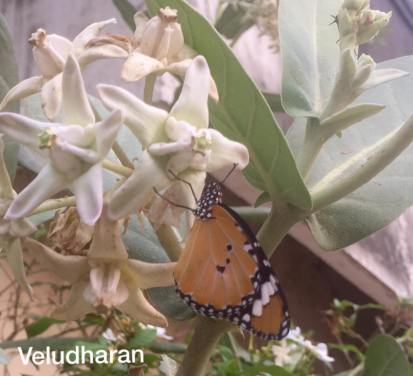
God accepts everything that a devotee offers him. Some flowers are considered suitable as offering to the Gods, some are considered unsuitable.The odorless Crown flower (எருக்கம் பூ) is neither of these. But even if that is offered, God doesn’t say no. Similarly even if the supplicants are base and naive, still Pari is benevolent to them, because he considers it his duty to be so.

புல்லிலை எருக்கம் – Crown flower with faded leaves. I had to skip the faded leaves part  of it in the translation for better readability.

நல்லவுந்தீயவும் அல்ல – neither good nor bad.

12957528_1059262994130284_4126823918885392624_o

Pic: twitter.com/veludharan


Puranaanooru – 105

O’ bright faced dancer! Whether it rains,
for raindrops to soak fresh blue lilies
blooming near the pond and swarmed by bees,
or not, water falls down from the peaks
of rising hills dotted with bamboo stalks
to course through horse gram fields;
sweeter than those waters, is Chief Pari;
If you go sing his praise, you’ll receive jewels of Ruby.

சேயிழை பெறுகுவை வாள் நுதல் விறலி!
தடவு வாய்க் கலித்த மா இதழ்க் குவளை
வண்டு படு புது மலர்த் தண் சிதர் கலாவப்
பெய்யினும், பெய்யாது ஆயினும், அருவி
கொள் உழு வியன் புலத்துழை கால் ஆக,
மால்புடை நெடு வரைக் கோடுதோறு இழிதரும்
நீரினும் இனிய சாயல்
பாரி வேள்பால் பாடினை செலினே.

Poet Kapilar advises a dancer who is facing difficulty, to go to Chief Pari’s court and get gifts. Irrespective of whether it rains or not, there’s abundant water in King Pari’s hills. He is even more sweeter than that water. So you go and sing his praise and you will be gifted with red jewels. Abundance of water irrespective of rains is a metaphor for his generosity irrespective of his position. Bees swarming the freshly bloomed flower is a metaphor for supplicants crowding the benefactor.

வாணுதல் விறலி – dancer with bright forehead. This is a recurring description in Sangam poetry. I have used bright faced to make it easier to comprehend. சேயிழை –  red jewels. I used Ruby for red.

Sangam anthology poems are perfect in themselves as stand alone poems. At the same time they are strung together to form an intricate design as a whole. Take the case of Poet Kapilar and Chief Pari. Out of the 2381 Sangam poems available today, Kapilar has written 235 poems. His friend ship with the benevolent hill country chieftain Pari is legendary.
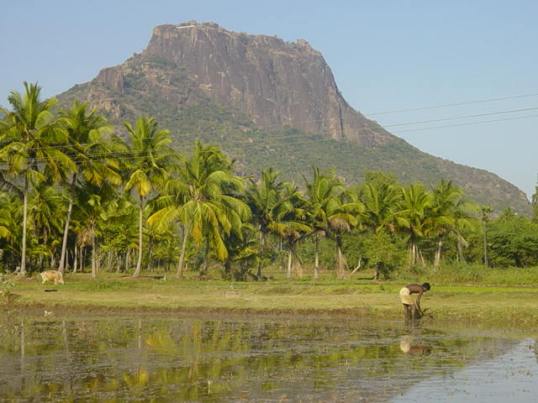
Parambu Malai

Pari ruled the hill country Parambu Nadu (பறம்பு நாடு, called Pranmalai today, near Singampunari Village in Sivagangai District) around 200 AD. He was a well known benefactor and patron for many poets. His prosperity attracted the attention of his contemporaries. Chera, Chola and Pandya kings attacked him at the same time. He fought valiantly but died in battle. Kapilar took charge of his two daughters and tried to get them married. Failing in his efforts, he left them under the custody of priests and starved to death. Poet Avvayar later got Pari’s daughter married to Malayaman Thirumudik Kari.

Puranaanooru poems 105- 120 by Kapilar are about these events. Reading them together is like reading a novella. I plan to translate these poems in order for the next few days.

Post Navigation