Old Tamil Poetry

Translations of Tamil Poetic works that span 2000 years

Archive for the tag “Purananooru”

Puranaanooru – 191

If you ask why I haven’t greyed
though I’m advanced in age,
my wife’s noble, children clever;
my attendants act as per my wish;
my ruler is a just protector;
above all, in my town live
many a learned and humble scholar.

யாண்டுபல வாக நரையில வாகுதல்
யாங்கா கியரென வினவுதி ராயின்
மாண்டவென் மனைவியொடு மக்களு நிரம்பினர்
யாண்கண் டனையரென் னிளையரும் வேந்தனும்
அல்லவை செய்யான் காக்கு மதன்றலை
ஆன்றவிந் தடங்கிய கொள்கைச்
சான்றோர் பலர்யான் வாழு மூரே.

This poem is by Pisiranadhaiyaar, a poet in Pandya country. His friendship with Chola King KopPerun Cholan was legendary, though they had never met each other. When KopPerun Cholan decides to starve to death after a tussle with his sons for the throne, he sends news to Pisiranadhaiyaar to come and see him. But before Pisiranadhaiyaar comes, he passes away.

When Pisiranadhaiyaar is asked why he hasn’t greyed though he is old, this is his answer. “My wife is a dignified soul, my children are clever. My attendants are in line with my thinking. My ruler is just and protects us safely. Above all this I am surrounded by learned and humble scholars in my town. So I have nothing to worry about, hence I haven’t greyed”.

No wonder most of us bald and grey early these days.
Puranaanooru – 85

Since this isn’t my man’s town,
since this isn’t my man’s country,
“He won, he won”, say some;
“He didn’t” say some others;
Great, these townsmen talk both ways;
I ran with my anklets tinkling,
stood near the wide palm beside my house,
and saw for myself his victory.

என்னைக்கு ஊர் இஃது அன்மையானும்,
என்னைக்கு நாடு இஃது அன்மையானும்,
‘ஆடு ஆடு’ என்ப, ஒரு சாரோரே;
‘ஆடு அன்று’ என்ப, ஒரு சாரோரே;
நல்ல, பல்லோர் இரு நன் மொழியே;
அம் சிலம்பு ஒலிப்ப ஓடி, எம் இல்,
முழாஅரைப் போந்தை பொருந்தி நின்று,
யான் கண்டனன், அவன் ஆடு ஆகுதலே.

Chola King PeruNarKilli (பெருநற்கிள்ளி) is a stranger to poetess Nakkannayaar’s (நக்கண்ணையார்) country. He is participating in a wrestling match in her town. Since he is a stranger, there are some who support him and some who don’t. She is confused and runs to see what is happening. She is glad to see for herself that he has won.

This is a beautiful slice of life poem, written roughly 2000 years ago. Poems 83-85 are by Nakkannayaar writing about her passion towards PeruNarKilli.

Puranaanooru – 259

Oh warrior with shining sword and anklets,
who walks alongside cows that leap and prance
like a tribal woman possessed by spirits,
long live your valor; wait, don’t rush forward;
beware  of skilled archers who stay back
hiding in the leafy forest, as the herd
of bulls and cows they stole move ahead.  

ஏறுடைப் பெரு நிரை பெயர்தர, பெயராது,
இலை புதை பெருங் காட்டுத் தலை கரந்து இருந்த
வல் வில் மறவர் ஒடுக்கம் காணாய்;
செல்லல், செல்லல்; சிறக்க, நின் உள்ளம்,
முருகு மெய்ப் பட்ட புலைத்தி போலத்
தாவுபு தெறிக்கும் ஆன்மேல்
புடை இலங்கு ஒள் வாள் புனை கழலோயே!

Raiding the opponents livestock and recovering such stolen livestock is a common theme in Puranaanooru poems. In this poem, the warrior wants to chase the herd that is being stolen by the enemy clan. The poet advises him to not to rush forward. “Those who stole the cows will be hiding in the foliage in the forest to attack the recovery party. So be watchful, finish off your enemies before going forward. I am not holding you back because I doubt your valor. Long live your valor.”

Don’t rush headlong into battle. Be aware of hidden snipers who will attack you on the way. Clear the ground before moving forward.

I have altered the structure of the poem (transposing the first 3 line with the last 4 lines) for easy readability.

கழல் – Anklets (whic were given as token of honor to warriors of the clan)
புலைத்தி – generally translated as low caste woman, which seems to be a later day meaning. I have taken it as tribal woman, which I understand was the meaning in Sangam era.
உள்ளம் – I have used ‘valor’, though U Ve Saa inteprets it as enthusiasm / zeal.

Puranaanooru – 187

Inhabited at some places, deserted at others,
depressed at some places, raised at others;
wherever your men are good,
Blessed land, you are good too.

நாடா கொன்றோ காடா கொன்றோ
அவலா கொன்றோ மிசையா கொன்றோ
எவ்வழி நல்லவ ராடவர்
அவ்வழி நல்லை வாழிய நிலனே.

This poem by Avvayar, written around 2000 years ago, says that a land doesn’t have any innate characteristic of its own. It is as good as its citizens are. She says to the land – You are a settlement (inhabited) at some places, a forest (deserted) at others; depressed at some places, raised at others. You don’t have any defining characteristic. You are as good as the citizens who occupy you are.

I have chosen to use inhabited / deserted instead of the literal meaning country/forest for ease of understanding in English.

Puranaanooru – 193

Like a deer chased by a hunter across a swamp
-that’s like a prey’s inverted skin-
it’s possible for one to run and escape,
but is hampered by life bound to kith and kin.

அதளெறிந் தன்ன நெடுவெண் களரின்
ஒருவ னாட்டும் புல்வாய் போல
ஓடி யுய்தலுங் கூடுமன்
ஒக்கல் வாழ்க்கை தட்குமா காலே.

This poem is talks about how one’s bonds to family life holds him back from reaching salvation. The simile used is vivid. A hunter is chasing a deer across a swamp. The swamp is mushy and spongy, like a hunted prey’s inverted skin. This makes it harder for the hunter to chase and it is easy for the deer to run and escape. Similarly one can attain salvation running like a deer, but his life bound to kith and kin trips him.

Puranaanooru – 87

Rivals entering battlefield, beware!
There’s a warrior amidst us too;
He’s like a chariot wheel crafted for a month
by an artisan who makes eight chariots a day.

களம் புகல் ஓம்புமின், தெவ்விர்! போர் எதிர்ந்து,
எம்முளும் உளன் ஒரு பொருநன்; வைகல்
எண் தேர் செய்யும் தச்சன்
திங்கள் வலித்த கால் அன்னோனே.

Praising the valor of their patrons is a repeated occurence in Sangam poetry. In this poem, Avvayar praises the valor of her patron Adhiyaman Neduman Anji in a poem addressed to his enemies. She says “Don’t think too much of yourself. Beware of Adhiyaman. He is a strong and swift warrior”. The simile she uses is what elevates this poem. How good is Adhiyaman? He is as good as a finely crafted chariot wheel (strong and swift), carved for a month by a skilled carpenter who normally makes eight chariots a day. That good he is.

“வைகல் எண் தேர் செய்யும் தச்சன் திங்கள் வலித்த கால் ” – chariot wheel crafted for a month by a carpenter who makes eight chariots a day. I used the word ‘artisan’ instead of ‘carpenter’ to bring out the ‘skilled carpenter’ implied in the poem.

Puranaanooru – 94

Like an elephant that reclines at the river front
for town children to wash its white tusk,
O Noble one, you are pleasant to us;
but like a tusker that is uncontrollable when in musth,
O Noble one, you are misery incarnate to your enemies!

ஊர்க்குறு மாக்கள் வெண்கோடு கழாஅலின்
நீர்த்துறை படியும் பெருங்களிறு போல
இனியை பெரும வெமக்கே மற்றதன்
துன்னருங் கடாஅம் போல
இன்னாய் பெருமநின் னொன்னா தோர்க்கே.

Poet Avvayar wrote this poem in praise of Adhiyaman, the chief of Thagadoor (present day Dharmapuri in Tamil Nadu). She says that to those who are under his patronage, he is pleasant. But to his opponents, he is a tormentor. She uses the simile of an elephant that is pleasant to kids playing with it, but becomes uncontrollable when it is musth (மதம் பிடித்த யானை).

In the original poem, she uses two words for the elephant – களிறு when pleasant and கடாஅம் when in musth. I have tried to replicate that with the use of ‘elephant’ and ‘tusker’ in the translation. Also musth is not explicity mentioned in the original. துன் அரும் – un approachable. When an elephant is in musth, it is aggressive and no one can go near it. I have made it explicit in the translation.

Puranaanooru – 107

“Pari’s this, Pari’s that” hyping his worth,
eloquent poets praise him much.
Pari is not the only one such,
monsoon too is here to nurture this earth.

பாரி பாரி யென்றுபல வேத்தி
ஒருவற் புகழ்வர் செந்நாப் புலவர்
பாரி யொருவனு மல்லன்
மாரியு முண்டீண் டுலகுபுரப் பதுவே.

Seeing the poets praise Pari for his benevolence, Kapilar says he is not the only benefactor. Monsoon too gives its bounty to nurture this earth.

This poem is an example of praising one by seeming to put him down (பழித்ததுபோலப் புகழ்ந்தவாறு). What’s implied is that no mortal can be compared to Pari for his generosity. Like how the rain doesn’t differentiate between recipients but nurtures all, so does Pari. Check the previous poem Puranaanooru – 106 for how Pari doesn’t differentiate between supplicants.

Puranaanooru – 106

Even if a bunch of crown flowers,
neither considered suitable nor otherwise,
are offered, God doesn’t refuse; similarly,
even if the base and naive beseech him,
Pari still obliges with his generosity.

நல்லவுந் தீயவு மல்ல குவியிணர்ப்
புல்லிலை யெருக்க மாயினு முடையவை
கடவுள் பேணே மென்னா வாங்கு
மடவர் மெல்லியர் செல்லினும்
கடவன் பாரி கைவண் மையே.

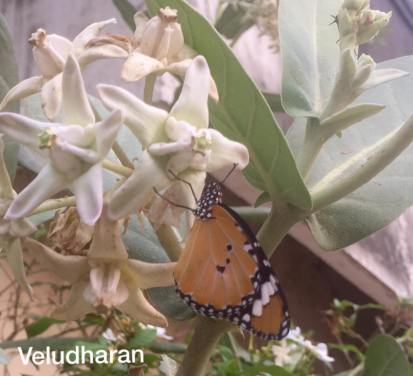
God accepts everything that a devotee offers him. Some flowers are considered suitable as offering to the Gods, some are considered unsuitable.The odorless Crown flower (எருக்கம் பூ) is neither of these. But even if that is offered, God doesn’t say no. Similarly even if the supplicants are base and naive, still Pari is benevolent to them, because he considers it his duty to be so.

புல்லிலை எருக்கம் – Crown flower with faded leaves. I had to skip the faded leaves part  of it in the translation for better readability.

நல்லவுந்தீயவும் அல்ல – neither good nor bad.

12957528_1059262994130284_4126823918885392624_o

Pic: twitter.com/veludharan


Puranaanooru – 105

O’ bright faced dancer! Whether it rains,
for raindrops to soak fresh blue lilies
blooming near the pond and swarmed by bees,
or not, water falls down from the peaks
of rising hills dotted with bamboo stalks
to course through horse gram fields;
sweeter than those waters, is Chief Pari;
If you go sing his praise, you’ll receive jewels of Ruby.

சேயிழை பெறுகுவை வாள் நுதல் விறலி!
தடவு வாய்க் கலித்த மா இதழ்க் குவளை
வண்டு படு புது மலர்த் தண் சிதர் கலாவப்
பெய்யினும், பெய்யாது ஆயினும், அருவி
கொள் உழு வியன் புலத்துழை கால் ஆக,
மால்புடை நெடு வரைக் கோடுதோறு இழிதரும்
நீரினும் இனிய சாயல்
பாரி வேள்பால் பாடினை செலினே.

Poet Kapilar advises a dancer who is facing difficulty, to go to Chief Pari’s court and get gifts. Irrespective of whether it rains or not, there’s abundant water in King Pari’s hills. He is even more sweeter than that water. So you go and sing his praise and you will be gifted with red jewels. Abundance of water irrespective of rains is a metaphor for his generosity irrespective of his position. Bees swarming the freshly bloomed flower is a metaphor for supplicants crowding the benefactor.

வாணுதல் விறலி – dancer with bright forehead. This is a recurring description in Sangam poetry. I have used bright faced to make it easier to comprehend. சேயிழை –  red jewels. I used Ruby for red.

Sangam anthology poems are perfect in themselves as stand alone poems. At the same time they are strung together to form an intricate design as a whole. Take the case of Poet Kapilar and Chief Pari. Out of the 2381 Sangam poems available today, Kapilar has written 235 poems. His friend ship with the benevolent hill country chieftain Pari is legendary.

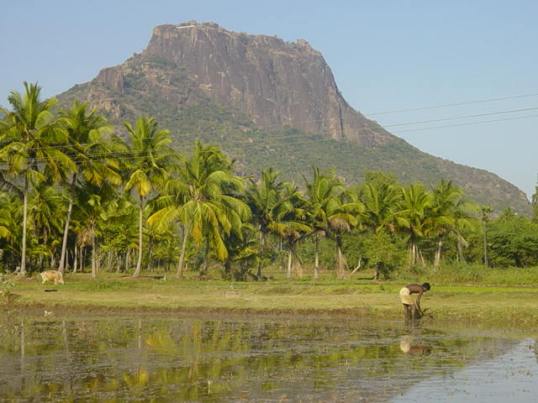
Parambu Malai

Pari ruled the hill country Parambu Nadu (பறம்பு நாடு, called Pranmalai today, near Singampunari Village in Sivagangai District) around 200 AD. He was a well known benefactor and patron for many poets. His prosperity attracted the attention of his contemporaries. Chera, Chola and Pandya kings attacked him at the same time. He fought valiantly but died in battle. Kapilar took charge of his two daughters and tried to get them married. Failing in his efforts, he left them under the custody of priests and starved to death. Poet Avvayar later got Pari’s daughter married to Malayaman Thirumudik Kari.

Puranaanooru poems 105- 120 by Kapilar are about these events. Reading them together is like reading a novella. I plan to translate these poems in order for the next few days.

Post Navigation