Old Tamil Poetry

Translations of Tamil Poetic works that span 2000 years

Thirukkural -277

Though outwardly (bright red) like the body of crab’s eye seed,
there are people, whose heart is black like its nose.

புறம் குன்றி கண்டனையரேனும், அகம் குன்றி
மூக்கில் கரியார் உடைத்து.

This verse is under the chapter கூடா ஒழுக்கம் – Pretense of Virtue. Thiruvalluvar says, there are people in this world who externally are virtuous like the bright red of crab’s eye seed (குன்றி மணி) body.  But their heart is black like the black nose of the seed. One should be pure externally and internally to be virtuous.

Crabs-Eye-seed

Crab’s eye seed – குன்றி மணி source : https://www.grow-trees.com/blog/social/facebook/crabs-eye-seed/

Bright Red is implied but not explicit in the original verse. I have added it to make the point clear.

புறம் – external
குன்றி – குன்றி மணி – Crab’s eye seed
கண்டு – looks
அனையர் – (people) like that
அகம் – internal / heart
கரியார் – black
உடைத்து – உடையது – (World) has

Naaladiyaar – 89

Arrows and Blaze and Sun with fiery rays –
though they sear and singe, they singe externally;
Lust though, since it singes the mind in searing agony,
is to be feared than all of them.

அம்பும், அழலும், அவிர் கதிர் ஞாயிறும்,
வெம்பிச் சுடினும், புறம் சுடும்; வெம்பிக்
கவற்றி மனத்தைச் சுடுதலால், காமம்
அவற்றினும் அஞ்சப்படும்.

This Naaladiyaar verse is under the chapter of ‘Not coveting other man’s wife’ (பிறர் மனை நயவாமை). Burning arrows, hot fire, Sun’s fiery rays all of them burn severely, but the burn is only external. Lust, however stays within the mind and burns it and causes untold agony. Hence one has to fear lust more than the arrows or fire or the Sun.

Hot arrows is an oft repeated phrase (வெஞ்சரம்) in Tamil poems. I assume it is poetic licence. Or may be they really used flame throwers those days. I’m not sure.

அம்பு – arrow
அழல் – fire / flame / blaze
அவிர் கதிர் – fiery ray
ஞாயிறு – sun
வெம்புதல் – sear / burn
சுடு – burn / singe
புறம் – external
கவற்றி – கவல் ஏற்படுத்தி- cause agony

Thagadur Yathirai –

With what can I identify? With what can I identify?
That this is my son, with what can I idenfity?
His eyes are buried under arrows;
Head, garlanded with many a sword, is destroyed;
Mouth, stuffed with sharp arrrows and oozing flesh,
resembles a quiver full of arrows;
Heart, is punctured with sharp arrows;
Thighs, shot with many an arrow, are discolored;
Hence, this youngster, pinned down
like a fully blossomed flower,
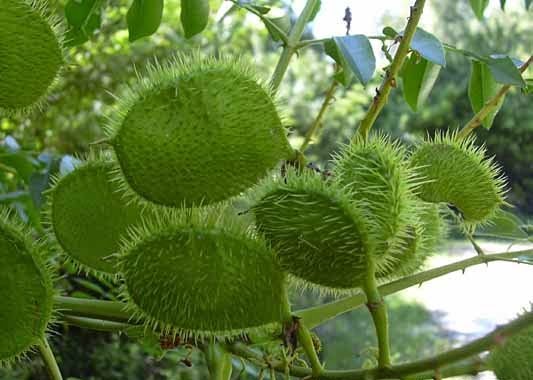
like the fragrant prickly pod of a fever nut
(That this is my son, with what can I idenfity?)

*fever nut / nicker nut, pod of Caesalpinia Bonducella
எற் கண்டறிகோ? எற்கண்டறிகோ?
என் மகன் ஆதல் எற்கண்டறிகோ?
கண்ணே கணை மூழ்கினவே; தலையே
வண்ண மாலை வாள் விடக் குறைந்தன;
வாயே, பொருநுனைப் பகழி மூழ்கலிற் புலால் வழிந்து
ஆவ நாழிகை அம்பு செறித் தற்றே;
நெஞ்சே, வெஞ்சரங் கடந்தன; குறங்கே
நிறங்கரந்து பல்சரம் நிறைந்தன; அதனால்
அவிழ்பூ அப்பணைக் கிடந்த காளை
கவிழ் பூங் கழற்றின்காய் போன்றனனே

This is a poem from Thagadur Yathirai, a poetic work about battle between Cheras and Athiyaman (ruler of Thagadur, present day Dharmapuri). This work is lost and only 48 poems, referred to in other poems, are available. Hence its provenance is not very clear.

At the end of the battle, an old woman comes to the battle field in search of her son. She is shown the body of her son, fully pierced with arrows. She cries out in agony. “How shall I identify that this is my son? With what body part shall I identify that this is my son. I can’t identify by the eyes, that are fully buried under arrows. I can’t identify by the head that is severely destroyed having faced multiple swords like accepting garlands. I can’t identify by the mouth which, like a quiver, is shot full of arrows and flesh oozing out. His heart is punctured by million arrows. Thighs, shot with a lot of arrows have lost blood and discolored. He lies on a bed of arrows, open like a fully bloomed flower. He looks like the prickly pod of a nicker nut, with arrows protruding from all parts of his body. With what body part can I identify that this is my son?”

fever nut

Caesalpinia Bonducella – கழற்றிங்காய் – Source : http://senthuherbals.blogspot.com/2014/08/blog-post.html


எற் கண்டறிகோ – எதைக் கண்டு அறிவேனோ – with what shall I identify
கணை – arrow
மூழ்கின – covered / buried
வாள் – sword
குறைந்தன – destroyed
பொருநுனை – sharp tipped
பகழி – arrow
புலால் – flesh
ஆவ நாழிகை – quiver
அம்பு – arrow
செறி – full
வெஞ்சரம் – வெம்மை + சரம் – fiery arrow
குறங்கு – thigh
நிறங் கரந்து – lost color
பல் சரம் – many arrows
அவிழ் பூ – open flower
பணை – peg(ged down) / pinned down
காளை – bull / youngster
கமழ் பூ – fragrant flower
கழற்றிங்காய் – fever nut / nicker nut/ prickly pod of the plant

Thirukkural – 985

Ability of able men is humility; that’s also the tool
of learned men to turn foes to friends.

ஆற்றுவார் ஆற்றல் பணிதல்; அது சான்றோர்
மாற்றாரை மாற்றும் படை.

The real ability of able men is the humility with which they are able to build a team and work together. That humility is also the tool used by wise men to turn their foes into friends.

Friends is not explicit in the original couplet. It literally means ‘convert foes’. I have added the implied meaning to make it easier to read.

ஆற்றல் – prowess / ability
சான்றோர் – learned / wise
மாற்றார் – those who are against us / foes
மாற்றும் – convert / change / turn
படை – கருவி – tool

Ainkurunooru – 238

Even if long horned sturdy ram has deserted it,
short haired ewe still stays back with desire
near the roaring waterfalls in your hills, My lord!
Only when you arrive here,
does her haleness appear too.

வார் கோட்டு வயத் தகர் வாராது மாறினும்,
குரு மயிர்ப் புருவை நசையின் அல்கும்
மாஅல் அருவித் தண் பெருஞ் சிலம்ப!
நீ இவண் வரூஉம்காலை,
மேவரும் மாதோ, இவள் நலனே தெய்யோ!

Her friend tells him how much his lady misses him. She says, “Whenever you come, you find her cheerful and healthy. Do you know that her haleness and cheerfulness makes is presence felt, only when you are here? When you are not here, she weakens and withers away. In your hill country, even after a long horned sturdy goat has deserted it, the female goat still roams around the waterfalls expecting the male to come back. Like that she holds herself together waiting for you. Better marry her soon”

வார் – long
கோடு – horn
வயம் – strong
தகர் – male goat / ram
குரு மயிர் – short hair
புருவை – female goat / ewe
நசை – desire
அல்கும் – stays
மாஅல் அருவி – huge waterfalls
சிலம்ப – சிலம்பு நாட – lord of hill country
இவண் – here
மேவரும் – appear
நலன் – நலம் – healthiness / haleness


Kamba Ramayanam – 5178

Tormented by thick waisted Rakshasa women, she sat there*;
Like a fine herb growing by the side of a hard rock
never getting a drop of water, languishing in misery,
rest of her body too thinned down like her narrow waist.

* Asoka Vanam, where Sita was held captive by Ravana.

வல் மருங்குல் வாள் அரக்கியர்
         நெருக்க, அங்கு இருந்தாள் :
கல் மருங்கு எழுந்து, என்றும் ஓர்
         துளி வரக் காணா
நல் மருந்துபோல், நலன் அற
         உணங்கிய நங்கை,
மெல் மருங்குல்போல், வேறு உள
        அங்கமும் மெலிந்தாள்.

This verse is in the sequence where Hanuman first sees Sita in Asoka Vanam. He finds her in sorrow, surrounded by thick waisted harsh Rakshasa women, who were tormenting her to accept the proposal of Ravana. Her whole body had thinned down like her narrow waist. It was like a fine herb growing by the side of a hard rock not receiving even a drop of water and drooping down. She was languishing in misery as her captors had taken her away from Rama, who was her life.

Kamban contrasts the thick and narrow waists to differentiate harshness / daintiness of Rakshasa Women and Sita. This objectification doesn’t go well with modern sensibilities. All I can say is he was the product of his times.

வல் – thick
மருங்குல் – waist
வாள் – harsh
அரக்கியர் – Rakshasa Women
நெருக்க – tormented
கல் – பாறை – Rock
மருங்கு – side
எழுந்து – grew
நல் மருந்து – fine herb
நலன் உற – health spoiled / misery
உணங்குதல் – suffer / languish
மெல் – soft / thin
வேறு உள அங்கமும் – other parts of her body / rest of her body

Thirukkural – 341

Whatever whatever one renounces, from those
from those he suffers no more.

யாதனின் யாதனின் நீங்கியான், நோதல்
அதனின் அதனின் இலன்.

If one renounces something, then that loses its power to make him suffer. Giving up something frees one from its power.

நீங்கி – to remove / give up
நோதல் – suffer

Puranaanooru – 227

Much stupid are you, heartless Death!
Just because there was no food, you ate the seed;
Now you’ll realize, how true my words are;
Warriors with shiny swords, elephants, horses –
all he massacred in the battlefield daily
in a river of blood to feed your crippling hunger;
such a mighty warrior similar to you
was golden armored Valavan,
with bees buzzing about his garland;
You took his life away;
Who’ll feed your hunger henceforth?

நனி பேதையே, நயன் இல் கூற்றம்!
விரகு இன்மையின் வித்து அட்டு உண்டனை;
இன்னும் காண்குவை, நன் வாய் ஆகுதல்;
ஒளிறு வாள் மறவரும், களிறும், மாவும்,
குருதி அம் குரூஉப் புனல் பொரு களத்து ஒழிய,
நாளும் ஆனான் கடந்து அட்டு, என்றும் நின்
வாடு பசி அருத்திய வசை தீர் ஆற்றல்
நின் ஓர் அன்ன பொன் இயல் பெரும் பூண்
வளவன் என்னும் வண்டு மூசு கண்ணி
இனையோற் கொண்டனைஆயின்,
இனி யார், மற்று நின் பசி தீர்ப்போரே?

This is a poem sung by Aaduthurai Maasaathanaar on hearing the death of Chola King Kulamuttrathu Thunjia Killi Valavan. He chides death for being stupid and taking away his life. “Just because there was no food, you ate the seed for next harvest. What will you do now. You will realise the truth of my words now. He killed warriors, elephants and horses in the battlefield, turning it into a river of blood to feed your hunger. Such a mighty warrior he was, skilled at taking life just like you. That golden armour wearing Killi valavan, with bees buzzing about the flowers he wears, have you killed. Now who will satiate your hunger henceforth”

நனி பேதை – much stupid
நயன் இல் கூற்றம் – heartless death
விரகு – food
இன்மை -absence
வித்து – seed
அட்டு – let
உண்டனை – you ate
நன் வாய் ஆகுதல் – words come true
ஒளிறு வாள் – shining sword
மறவர் – warrior
களிறு – elephant
மா – horse
குருதி – blood
புனல் – river
பொரு களத்து – battlefield
நாளும் – daily
வாடு பசி – crippling hunger
அருத்திய – satiated / fed
வசை தீர் ஆற்றல் – faultless power / mighty
நின் ஓர் அன்ன – one like you
பொன் இயல் பெரும் பூண் – broad golden armour
வண்டு மூசு கண்ணி – flowers (worn by kings in battle) buzzing with bees
வளவன் – Chola King Valavan
இனையோற் – Such a man
கொண்டனை – you took

Manimekalai – 11.61-72

O’ Gallant conqueror of Lust,
Eliminator of hateful doctrines,
Great one who strives to do right to men,
Ancient one who doesn’t yearn for heaven,
One who is unperturbed by others thoughts,
Wise One who helps others obtain wisdom,
One whose ears block hateful words,
One whose tongue utters only truth,
One who went to hell to redeem the sinners,
One who eradicates the misery of Nagas,
To praise thy hallowed feet, instead of worshiping,
will be impertinent of my tongue to do,
said the beautiful damsel..

மாரனை வெல்லும் வீர நின்அடி
தீநெறிக் கடும்பகை கடிந்தோய் நின்அடி
பிறர்க்குஅறம் முயலும் பெரியோய் நின்அடி
துறக்கம் வேண்டாத் தொல்லோய் நின்அடி
எண்பிறக்கு ஒழிய இறந்தோய் நின்அடி
கண்பிறர்க்கு அளிக்கும் கண்ணோய் நின்அடி
தீமொழிக்கு அடைத்த செவியோய் நின்அடி
வாய்மொழி சிறந்த நாவோய் நின்னடி
நரகர் துயர்கெட நடப்போய் நின்அடி
உரகர் துயரம் ஒழிப்போய் நின்அடி
வணங்குதல் அல்லது வாழ்த்தல்என் நாவிற்கு
அடங்காது என்ற ஆயிழை …,

Manimekalai is a Tamil Buddhist epic, generally dated around 5th Century CE. It follows the life of Manimekalai, who is the daughter of Madhavi from Silappathikaram (the premier epic in Tamil literature). Goddess Deeva Thilakai takes her to the Gomukhi pond on the auspicious day of Vaikasi Visakha (Buddha Poornima?). They pray to Buddha and go around the pond. Manimekalai is given the ‘Amudha Surabhi’ (never empty food bowl) which will satiate the hunger of all living beings.

On receiving the bowl, she is happy and praises Buddha. “You conquered the God of Lust (who tried to disturb Buddha’s meditation under the Bodhi tree). You eliminate the hateful doctrines and show us the true path. You try to do right to all men. You are beyond hell and heaven, having attained true Nirvana. So you don’t yearn for heaven. Others thoughts don’t reach and disturb you. You are the wise one who gives wisdom to others. Your ears close to hateful speech. Your tongue utters only the truth. You visited hell to redeeem sinners there. (Buddha is supposed to have visited Hell in one of his births to redeem the sufferers there). You’ve walked the country of Nagas (South India?) to eradicate their misery. It will be impertinent of my tongue to praise your hallowed feet. I should only bow down and worship you”

In the Tamil verse, every line ends with ‘Hallowed feet’. I have used it only once, to read easy in English. Na.Mu.Venkatasamy Naattar in his commentary helpfully says “Since Manimekalai was overcome with joy, she kept repeating hallowed feet in every line. We can take it at the end of her felicitations”.

வாழ்த்த வயதில்லை வணங்குகிறேன் – ‘I’m not old enough to praise you, so I worship you’ is a cliched sentence in Tamil Nadu political oratory in the last decade. So when I found that this phrase had its origin in an epic written 1500 years ago, I was extremely pleased. One keeps finding such nuggets as one explores Tamil literature.

மாரன் – God of Love / Lust
தீநெறி – தீய நெறி – hateful doctrines
கடும்பகை – strong enmity
நின் அடி – your (hallowed) feet
கடிந்தோய் – கடிதல் – removal / elimination
துறக்கம் – heaven
எண்பிறக்கு ஒழிய – பிறரது எண்ணங்கள் தீண்ட முடியாத உயரத்தில் – not touched by others thoughts
இறந்தோய் – one who has given up
கண் பிறர்க்கு – wisdom to others
கண்ணோய் – கண்ணோட்டம் உடையவன் – One who is wise
தீமொழி – hateful words
செவி – ear
வாய்மொழி – வாய்மை + மொழி – true words
நாவோய் – நா + உடையவன் – tongue
நரகர் – sinners
உரகர் – Nagas
வணங்குதல் – Bow / Worship
வாழ்த்தல் – Praise / Bless
நாவிற்கு அடங்காது – my tongue should not do
ஆயிழை -girl wearing beautiful jewels / damsel / woman

Kurunthokai – 95

Clamor of pristine white water falls from lofty hills
echo inside caves in the slope dotted with many a flower;
Her dad is chief of a hamlet in those slopes;
His broad shouldered young daughter’s
water like grace doused my fire like vigor.

மால் வரை இழிதரும் தூ வெள் அருவி
கல் முகைத் ததும்பும் பல் மலர்ச் சாரற்
சிறுகுடிக் குறவன் பெருந் தோட் குறுமகள்
நீர் ஓரன்ன சாயல்
தீ ஓரன்ன என் உரன் அவித்தன்றே.

His friend finds him listless and asks him the reason. He says “See that hill slope dotted with many hued flowers.  Pristine white water falls from those hills and sounds noisily inside the caves. I have fallen in love with the daughter of a hill chieftain from that hilly slope. She is graceful and gentle, just like the water that flows in her hills. I was full of vigor before I met her. Her gentleness has doused my vigor. I am besotted with her now and feeling listless”

Description of nature is inherent part of Sangam poetry. He mentions those flower dotted hill slope and caves to indicate that is where they had made love.

The last two lines make this poem. Read them out loud and relish them.
நீர் ஓரன்ன சாயல்
தீ ஓரன்ன என் உரன் அவித்தன்றே

Her water like grace
doused my fire like vigor.

மால் வரை – Lofty hill
இழிதரும் – falls down
தூ வெள் அருவி – pure white water falls
கல் முகை – crack in rocks / caves
ததும்பும் – sounds / echoes
பல் மலர் – many flowers
சாரல் – hill slope
சிறுகுடி – small hamlet
குறவன் – chief
பெருந் தோட் குறுமகள் – broad shouldered young daughter
நீர் ஓரன்ன சாயல் – water like grace
தீ ஓரன்ன என் உரன் – my fire like strength / vigor
அவித்தன்றே – quenched / doused

Post Navigation