Old Tamil Poetry

Translations of Tamil Poetic works that span 2000 years

Inna Narpathu – 33

Acting on a drunkard’s word causes grief;
Walking in a thorny forest causes much grief;
Killing flood borne cattle causes grief;
Similarly grievous, is friendship of the devious.

கள் உண்பான் கூறும் கருமப் பொருள் இன்னா;
முள்ளுடைக் காட்டில் நடத்தல் நனி இன்னா;
வெள்ளம் படு மாக் கொலை இன்னா; ஆங்கு இன்னா,
கள்ள மனத்தார் தொடர்பு.

Inna Narpathu (இன்னா நாற்பது) – is a collection of 40 poems about what causes grief (இன்னா) and what should be avoided. This is a ‘post Sangam’ or  ‘didactic period’ work, generally dated between 100-500 CE. These poems were written by Kapilar, different from Kapilar of Sangam era. These poems are simple and talk directly.

Killing cattle is allowed when needed. But killing cattle that is carried away by floods and struggling to climb up the banks is an offense that causes much grief.

Puranaanooru – 193

Like a deer chased by a hunter across a swamp
-that’s like a prey’s inverted skin-
it’s possible for one to run and escape,
but is hampered by life bound to kith and kin.

அதளெறிந் தன்ன நெடுவெண் களரின்
ஒருவ னாட்டும் புல்வாய் போல
ஓடி யுய்தலுங் கூடுமன்
ஒக்கல் வாழ்க்கை தட்குமா காலே.

This poem is talks about how one’s bonds to family life holds him back from reaching salvation. The simile used is vivid. A hunter is chasing a deer across a swamp. The swamp is mushy and spongy, like a hunted prey’s inverted skin. This makes it harder for the hunter to chase and it is easy for the deer to run and escape. Similarly one can attain salvation running like a deer, but his life bound to kith and kin trips him.

Naaladiyaar – 370

Fresh floods and a jeweled courtesan’s love,
both aren’t much different when compared;
fresh floods abate as showers dwindle;
their love abates as your wealth dwindles.

புதுப் புனலும், பூங்குழையார் நட்பும், இரண்டும்,
விதுப்பு அற நாடின், வேறு அல்ல;-புதுப் புனலும்
மாரி அறவே அறுமே; அவர் அன்பும்
வாரி அறவே அறும்.

விதுப்பு அற நாடின் – examine without rush (compared) பூங்குழையார் – woman (courtesan) wearing ear rings. வாரி – wealth.


Kambaramayanam – 1082

Like seeds of love sown in
a tough furrow
lifting their heads up
after a downpour,
hair follicles on his skin
stood up
as she pouted and kicked him
with soft feet.

விதைத்த மென் காதலின்
வித்து வெஞ் சிறை
இதைப் புனல் நனைத்திட
முளைத்தவே எனப்
பதைத்தனள் ஒருத்தன்மேல்
ஒருத்தி பஞ்சு அடி
உதைத்தலும் பொடித்தன
உரோம ராசியே.

This is from Kambaramayanam. It details the revelry of men and women who accompany Dasaratha to Mithila for Rama’s wedding. These poems celebrate wine and women. He comes to her bed. She pouts in mock anger and kicks him. The feel of her soft foot gives him goosebumps. It was like the seeds on a hard ground sprouting up immediately after rains. Here you can elaborate goosebumps to seeds sprouting, hard landscape as his body and the pleasure of her kick (the first touch) as pouring rain. Rest is up to you to imagine.

Kurunthokai – 119

Like an alluringly striped snakelet
of a small white snake
that torments a wild elephant –
this lass, with rice grain like bright teeth
and bangle laden arms – torments me.

சிறு வெள் அரவின் அவ் வரிக் குருளை
கான யானை அணங்கியா அங்கு-
இளையள், முளை வாள் எயிற்றள்,
வளையுடைக் கையள்-எம் அணங்கியோளே.

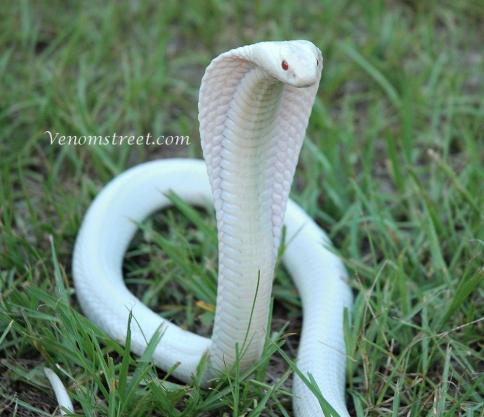
She leaves him after a night of passion. He says though she looks delicate, her love causes him much pain. It is like a snakelet (young snake) troubling a mighty wild elephant. Like how the poison of the small snake troubles the mighty elephant, lust for her troubles him who was previously untamed. He sees her first (young girl), she comes near him and smiles (sparkling teeth), and then she embraces him (bangled arms).

venom

Monocled cobra. Pic : venomstreet.com

Stripes on a snakelet are enticingly beautiful. Snake hood has been used as metaphor for mound of Venus in many Tamil poems. Now if you read the poem again, it becomes more explicit.

அ வரி – beautiful stripe. சிறு வெள் அரவு – small white snake (U Ve Saminatha Iyer in his commentary says it is கோதுமை நாகம் – monocled cobra). அணங்கு – affliction, sufferinng, lust.

Puranaanooru – 87

Rivals entering battlefield, beware!
There’s a warrior amidst us too;
He’s like a chariot wheel crafted for a month
by an artisan who makes eight chariots a day.

களம் புகல் ஓம்புமின், தெவ்விர்! போர் எதிர்ந்து,
எம்முளும் உளன் ஒரு பொருநன்; வைகல்
எண் தேர் செய்யும் தச்சன்
திங்கள் வலித்த கால் அன்னோனே.

Praising the valor of their patrons is a repeated occurence in Sangam poetry. In this poem, Avvayar praises the valor of her patron Adhiyaman Neduman Anji in a poem addressed to his enemies. She says “Don’t think too much of yourself. Beware of Adhiyaman. He is a strong and swift warrior”. The simile she uses is what elevates this poem. How good is Adhiyaman? He is as good as a finely crafted chariot wheel (strong and swift), carved for a month by a skilled carpenter who normally makes eight chariots a day. That good he is.

“வைகல் எண் தேர் செய்யும் தச்சன் திங்கள் வலித்த கால் ” – chariot wheel crafted for a month by a carpenter who makes eight chariots a day. I used the word ‘artisan’ instead of ‘carpenter’ to bring out the ‘skilled carpenter’ implied in the poem.

Kurunthokai – 20

அருளும் அன்பும் நீக்கி, துணை துறந்து,
பொருள்வயிற் பிரிவோர் உரவோர் ஆயின்,
உரவோர் உரவோர் ஆக!
மடவம் ஆக, மடந்தை, நாமே!

If those who leave their spouse,
forsaking love and affection
in search of wealth, are wise,
let him be wise!
We’ll be idiots, my friend!

Her husband has left her in search of wealth. She cribs to her friend “how can he leave me and go? May be he is strong enough to withstand the pain of love. If this is the wise thing to do, let him be wise. I, a simple minded girl cannot bear to be away from him. If this sounds idiotic, let me be an idiot”

Thirukkural – 1247

Dear heart, renounce either passion or modesty;
I cannot bear them both.

காமம் விடுவொன்றோ நாண்விடு நன்னெஞ்சே
யானோ பொறேனிவ் விரண்டு.

Thirukkural – 233

There’s nothing eternal in this world,
except peerless fame.

ஒன்றா வுலகத் துயர்ந்த புகழல்லாற்
பொன்றாது நிற்பதொன் றில்.

Kundalakesi – 2

Sick men don’t bother about medicine’s taste;
warmth seekers don’t bother about fire’s smoke.
Wise men won’t consider lapses in my words as lapses,
when I praise the one who overcame all three poisons.

நோய்க்குற்ற மாந்தர் மருந்தின்சுவை நோக்க கில்லார்
தீக்குற்ற காத லுடையார்புகைத் தீமை யோரார்
போய்க்குற்றமூன்று மறுத்தான்புகழ் கூறு வேற்கென்
வாய்க்குற்றசொல்லின் வழுவும்வழு வல்ல வன்றே.

Kundalakesi is one of the five great epics of Tamil literature. Three of these are Jainism based (Seevaka Sinthamani, Silappathikaaram, Valayaapathi) and two are Buddishm based (Manimekalai and Kundalakesi). Kundalakesi is estimated to have been written before 5th Century AD. Only 19 of the 99 verses of Kundalakesi are available today.

It is about Kundalakesi, daughter of a rich merchant in Puhar, who falls in love with a thief Kaalan about to be beheaded. Her father pleads with the King and saves Kaalan from death. After marriage one day she playfully calls him thief. Enraged by this , he plans to kill her and takes her to a mountain peak to push her down. When he tells this to her, she requests him to let her go around him three times as worship before being killed. He agrees. She goes behind him and pushes him down , killing him. Then she repents and becomes a Buddhist monk. She defeats Jain and Hindu scholars in theological debates.

In this poem, the poet says “see the content and forgive any mistakes in my form. Like how sick men don’t bother about the taste of medicine or those who seek warmth don’t bother about smoke from fire, those who want to learn the teachings of Buddha will overlook any mistakes I make”.

“One who overcame all three poisons” refers to Buddha. In Buddhism, three poisons – desire, hatred, ignorance or greed, anger, foolishness (காமம், வெகுளி, மயக்கம்) –  are considered root of all human misery.
Post Navigation