Old Tamil Poetry

Translations of Tamil Poetic works that span 2000 years

Naaladiyaar – 192

Even a tender sapling by the wayside,
once its core hardens, will be used to tie an elephant;
Living too is like that,
if one strengthens oneself, without sloth.

ஆடு கோடு ஆகி அதரிடை நின்றதூஉம்,
காழ் கொண்டகண்ணே, களிறு அணைக்கும் கந்து ஆகும்;-
வாழ்தலும் அன்ன தகைத்தே, ஒருவன்தான்
தாழ்வு இன்றித் தன்னைச் செயின்.

This Naaladiyaar poem is under the chapter தாளாண்மை (Spiritedness / perseverance). What is a tender sapling by the way side will be used to tie a mighty elephant in the future, once its core strengthens  and it becomes a strong tree. Such is life too. If one puts in effort to strengthen oneself, without being lazy, he will prosper in life.

ஆடு – shaky
கோடு – branch
அதர் – way
காழ் – hard
களிறு – elephant
அணைக்கும் – tie
கந்து – Post to tie an elephant
தாழ்வுdefect

Kurunthokai – 25

There was no one else but the crook himself;
if he refutes his words, what can I do?
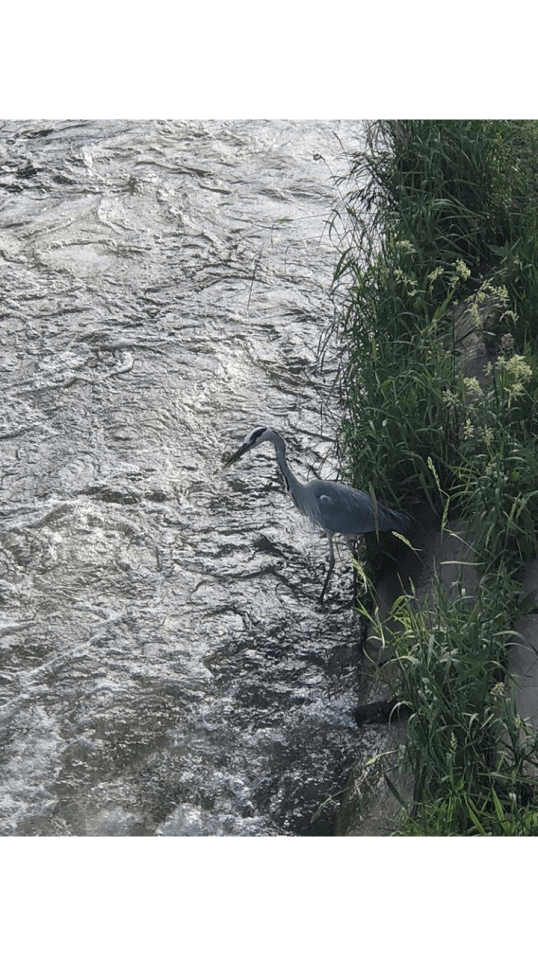
A Kurugu*, with greenish legs like millet stalks,
too was there watching the water to hunt slippery eels,
when he made love to me.

*Kurugu – Yellow bittern, a reclusive egret kind of bird that resides in reed beds.

யாரும் இல்லை; தானே கள்வன்;
தான் அது பொய்ப்பின், யான் எவன் செய்கோ?
தினை தாள் அன்ன சிறு பசுங் கால
ஒழுகு நீர் ஆரல் பார்க்கும்
குருகும் உண்டு, தான் மணந்த ஞான்றே.

Screenshot_2018-06-02-21-47-36-832_com.instagram.android

They have consummated their love. But he is delaying the commitment of marriage. She is afraid that he may go back on his word and confides her anxiety to her friend, as all of us do: There was no witness to the passion and the promises shared – unless you count the Kurugu who was hunting eels in the river nearby.

Sangam poetry takes its cues and metaphors and also implications from nature. Hence the mention of the Kurugu has different layers of meaning.

First, it is indicative of setting. The Kurugu is reclusive and stays among bushes or river brush. It signifies the place where the couple made love – an isolated riverbank.
Second, it underlines her helplessness, since the bird after all, cannot speak – and so cannot speak for her.

Third, the bird waiting to hunt eels is a metaphor, for him, the lover, waiting to hunt her, make her his ‘conquest’. In separation, she remembers how he charmed her and begins to doubt his intentions – hence calling him a crook.

But as we know, these feelings of anxiety and doubt are quickly followed by lovers’ hope, and assurances to the self.

Kambaramayanam – 70

கூற்றம் இல்லை, ஓர் குற்றம் இல்லமையால்;
சீற்றம் இல்லை, தம் சிந்தையின் செம்மையால்;
ஆற்றல் நல் அறம் அல்லது இல்லாமையால்,
ஏற்றம் அல்லது, இழித்தகவு இல்லையே.

Death is absent, as crime is absent;
anger is absent, due to virtuous thought;
they act righteously and not otherwise,
so they achieve eminence, not baseness.

Since there is no crime in Kosala, there is no unnatural death. Anger is absent since the citizens have only virtuous thoughts.  Due to fairness of their actions, the citizens of Kosala achieve superiority in their lives, they are never base.

கூற்றம் – death
சீற்றம் – anger
சிந்தை – thoughts
செம்மை – goodness
ஆற்றல் – do
நல் அறம் – righteous deed
இழித்தகவு – baseness

Siddhar – Sivavakkiyar – 133

Are there two Gods, yours and mine?
Will there be two Gods, here and there?
Primordial God, who is everywhere, isn’t he one?
Those who say otherwise, will die of rotting mouth.

எங்கள்தேவர் உங்கள்தேவர் என்றிரண்டு தேவரோ
இங்குமங்கு மாய் இரண்டு தேவரே இருப்பரோ
அங்குமிங்கு மாகிநின்ற ஆதிமூர்த்தி ஒன்றலோ
வங்கவாரஞ் சொன்னபேர்கள் வாய்புழுத்து மாள்வரே.

Sivavakkiyar, in this verse, curses those who try to split people in the name of God. He doesn’t pull back his punches. He says “If God is all powerful how can there be two Gods, yours and mine. He who was at the beginning, is one. Those who say otherwise, their tongues will rot and they’d die.”

Siddhar Sivavakkiyar, dated to around 10th Century CE (?) was one of the leading rebel poets in Tamil literature. Siddhars were iconoclastic rebels whose thoughts were against the organised Vedic religion. Their main idea was one had to find God within oneself and not rely on temples and rituals.

I’m not able to find the meaning of வங்கவாரம் . From the context of the verse, I assume it is “otherwise” or “divisive tales”

Pazhamozhi 400 – 321

Wise men analyse their strength, their allies strength,
consequence of the act, and then decide; instead,
if one assumes something, and does something,
results too will be something else.

தன்-தூக்கி, தன் துணையும் தூக்கி, பயன் தூக்கி,
மற்று அது கொள்வ, மதி வல்லார்; அற்று அன்றி,
யாதானும் ஒன்று கொண்டு, யாதானும் செய்தக்கால்,
யாதானும் ஆகிவிடும்.

Before acting upon something, wise men analyse their own strength, strength of their allies and what are the consequences of their act. Only after that will they act. Instead of that, if one decides based on assumptions and does something , the results too will be unexpected.

தூக்கி – analyse
துணை – ally
மதி வல்லார் –  those with brains – wise men
அற்று அன்றி – அது இல்லாமல் – instead
யாதானும் – just something / random

Thirukkural – 878

Know what’s to be done. prepare and guard yourself,;
thus will the foe’s arrogance be felled.

வகையறிந்து தற்செய்து தற்காப்ப மாயும் 
பகைவர்கட் பட்ட செருக்கு.

When fighting an enemy, analyse the situation and understand what needs to be done. Do it and protect yourself. If you do so, the arrogance of the enemy will be felled.

தற்செய்து – தன் + செய்து – do / prepare self
மாய்தல் – killed / brought down
செருக்கு – pride / arrogance

Pazhamozhi 400 – 130

You’re graceless my heart! you tell me to act harmfully;
but payback won’t take long; Do realize,
One who causes harm to others in forenoon,
Will face harm himself by afternoon.

நெடியது காண்கலாய்; நீ அளியை;-நெஞ்சே!-
கொடியது கூறினாய் மன்ற;- அடியுளே,
முற்பகல் கண்டான் பிறன் கேடு, தன் கேடு
பிற்பகல் கண்டுவிடும்.

When one’s heart asks him to act maliciously and harm others, he tells that it is stupid. Payback for evil deeds won’t take long. If one hurts others in the forenoon, he will be hurt himself in the afternoon.

This takes off on Thirukkural 319,
பிறர்க்கின்னா முற்பகல் செய்யின் தமக்கின்னா
பிற்பகல் தாமே வரும்.

நெடியது –  long
அளி – civil / graceful அளியை – graceless
கொடியது – harmful

Naan Manik Kadigai – 58

Forever will there be stars and two great lights*;
Forever will there be ailments and toil;
Forever will there be alms givers and seekers;
Forever will there be newborns and the departed.

*Two great lights – Sun and Moon

என்றும் உளவாகும், நாளும், இரு சுடரும்;
என்றும், பிணியும், தொழில், ஒக்கும்; என்றும்
கொடுப்பாரும் கொள்வாரும் அன்னர்; பிறப்பாரும்
சாவாரும் என்றும் உளர்.

This verse is about the unceasing continuity of the world. Each generation thinks it is something new, but the march of time goes on forever. The sun, moon and the stars were there yesterday, are today, will be there in future too. So are the toils of the people and maladies that prevent them from toil. Patrons and alms seekers are always there. So are new borns and the dead.

Keep in mind these poems were written 1500-1800 years ago, before we found black holes.

Thirikadugam – 58

Wealth of one who doesn’t help his kin,
Cultivation of one who doesn’t nurture his green shoots growing,
Lineage of one who spends his youth drinking –
These three appear stable, but are headed to ruin.

கிளைஞர்க்கு உதவாதான் செல்வமும், பைங் கூழ்
விளைவின் கண் போற்றான் உழவும், இளையனாய்க்
கள் உண்டு வாழ்வான் குடிமையும்,-இம் மூன்றும்
உள்ளன போலக் கெடும்.

This is poem no. 58 from Thirikadugam (திரிகடுகம்) written by poet Nalladhanar (நல்லாதனார்) about 1800 years ago. He says the wealth you don’t share with others, the crops that you don’t tend to because you are lazy, youth spent drinking – these three might look to be stable but will definitely be ruined. So take care and not embark on a path to ruin.

கிளைஞர் – Relatives

பைங் கூழ் – growing crops (green shoots)

குடிமை – Lineage

Thirukkural – 397

(For the learned) any country is his; any town is his;
Then why be unlearned till one’s death?

யாதானும் நாடாமால் ஊராமால் என்னொருவன்
சாந்துணையுங் கல்லாத வாறு.

யாதானும் நாடு ஆமால்; ஊர் ஆமால்; என், ஒருவன்
சாம் துணையும் கல்லாதவாறு?

In this Kural Thiruvalluvar talks about importance of learning.

A learned person will be respected wherever he goes. So why do people waste their entire life without learning?

Post Navigation